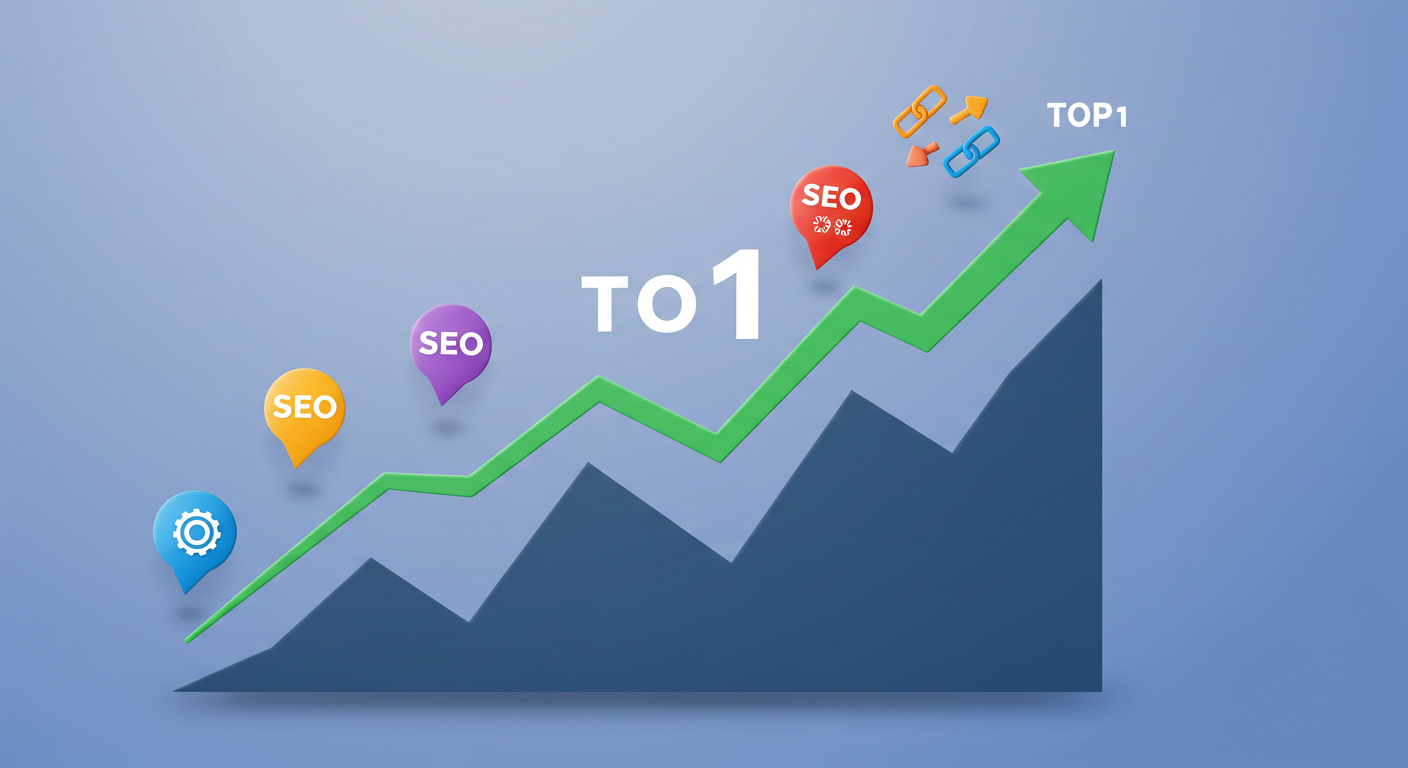

The Path to SEO Success : Organic Traffic and Quality Hits
In the internet environment, consistent success requires a digital site to attract regular and meaningful visitor flow . However, it’s not just about the hit count; the type of traffic is critically important . This is precisely why the concept of organic hits stands out . So, what exactly is organic traffic?
What Are Organic Visits?
Real traffic consists of real people who come to a site without redirection from organic sources. In other words, a user queries a specific phrase on a search engine , finds your site , and explores it. This access type is ad-free , making it the highly significant traffic source .
The Foundation of Organic Visits: Quality Content
Google view natural visits as a key metric. When your content attracts visitors without ads or redirects , it demonstrates to SEO systems that you are valuable and readable . This helps you rise in rankings .
Benefits of Organic Traffic
- Increases SEO Value: The higher the organic hits , the higher priority ranking algorithms consider you.
- Longer Dwell Times: Natural traffic explore on your content, reducing bounce rates .
- Increases Brand Awareness : Organic visits create a loyal user base.
- Free Visitor Flow : You can attract natural visitors without an ad budget.
What to Consider When Purchasing Organic Traffic Services?
In the SEO world, there are many providers offering visitor traffic . However, not every company delivers the same quality . It’s critical that the traffic includes cookie and IP diversity. If not, it could be detected by Google, and your site may be negatively affected .
Platforms like Organic Hits offer %100 natural and cookie-enabled organic traffic services.
Quality Traffic = Success
Natural visitors is one of the hidden elements of search engine optimization . The more traffic you attract , the further you climb in rankings . Additionally, these visitors can become loyal followers . When expert support is combined with effective organic traffic systems, success becomes inevitable .