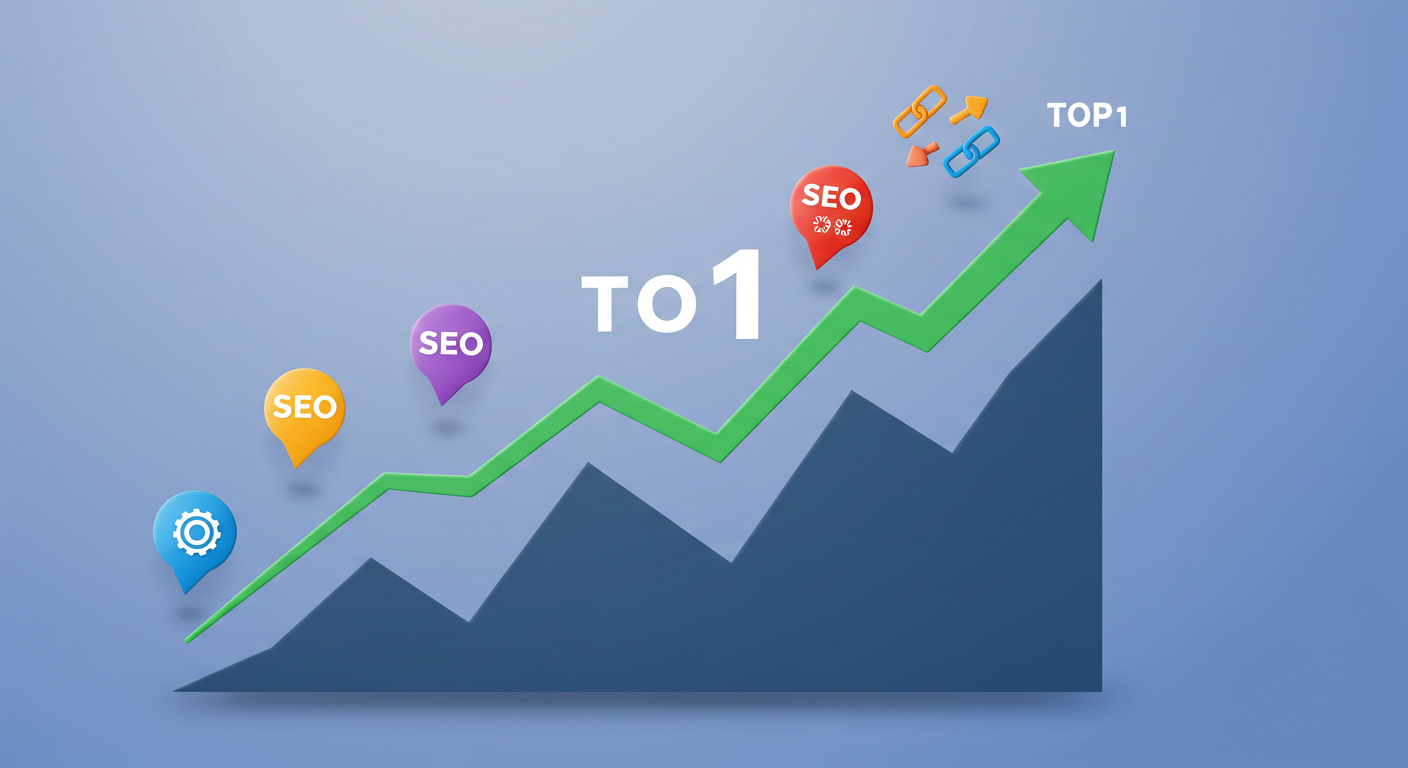
The Path to SEO Success : The Strength of Natural Traffic and Hits
In the online environment, true growth requires a online platform to attract sufficient and valuable visitor flow . However, it’s not just about the hit count; the nature of the visitors is highly significant . This is precisely why the concept of organic traffic stands out . So, why is it so important?
What Are Organic Visits?
Real traffic consists of users who come to a site organically from organic sources. In other words, a internet user queries a specific keyword on Google , finds your website, and explores it. This type of visit is completely natural, making it the highly significant traffic source .
The Foundation of Organic Visits: Quality Content
Search engines view natural visits as a key metric. When your platform attracts visitors without external links , it demonstrates to SEO systems that you are valuable and engaging . This helps you rise in rankings .
Benefits of Organic Traffic
- Boosts Google Rankings : The higher the organic hits , the more valuable Google consider you.
- Low Bounce Rates : Real users read on your content, increasing dwell time .
- Creates Trust: Organic visits create a loyal user base.
- Free Visitor Flow : You can draw continuous visitors without extra costs .
What to Consider When Purchasing Organic Traffic Services?
In the SEO world, there are numerous platforms offering organic traffic services . However, not every company delivers real and quality results . It’s critical that the traffic is interactive . If not, it could be detected by Google, and your SEO value could drop .
Platforms like Organic Hits offer %100 realistic and algorithm-friendly organic traffic services.
Quality Traffic = Success
Real hits is one of the most effective weapons of search engine optimization . The higher quality traffic you gain, the higher you rank in search engines . Moreover , these visitors can turn into potential customers . When expert support is combined with the right traffic sources , reaching the top is just a matter of time .